TL;DR
- Routine dental cleanings help remove buildup that brushing and flossing may miss at home.
- The right cleaning schedule depends on your gum health, plaque levels, and history.
- Preventive visits often catch small issues before they become expensive ones.
Dental Cleaning Basics
| Question | Short Answer |
|---|---|
| How often? | Many patients benefit from regular cleanings every several months |
| Why it matters | Cleanings reduce buildup and support healthier gums |
| Next step | Book a maintenance dental cleaning in Winnipeg |
Routine Cleanings Are One of the Easiest Ways To Protect Your Smile
Professional dental cleanings can feel routine, but they play an important role in keeping your teeth and gums healthy. Many patients think of cleanings as a quick polish and rinse. In reality, they are one of the best opportunities to prevent bigger problems before they start.
If it has been a while since your last appointment, you may also be wondering how often you should go and what exactly happens during the visit. The answer depends on your oral health history, your home care habits, and whether you are prone to tartar buildup or gum inflammation.
At Affinity Dental, patients who book dental cleanings in Winnipeg often ask how frequently they should come in and whether they really need regular hygiene appointments if nothing hurts.
Why Dental Cleanings Matter
Even patients who brush and floss consistently can miss areas where plaque collects. Over time, plaque can harden into tartar, and tartar cannot be removed at home with a toothbrush alone. Once it builds up, it can irritate the gums and increase the risk of gingivitis and periodontal disease.
Routine cleanings help remove that buildup before it becomes a bigger issue. They also give your dental team a chance to check for early signs of decay, gum problems, wear, and other changes that are easier to treat when found sooner.
How Often Should You Have a Cleaning?
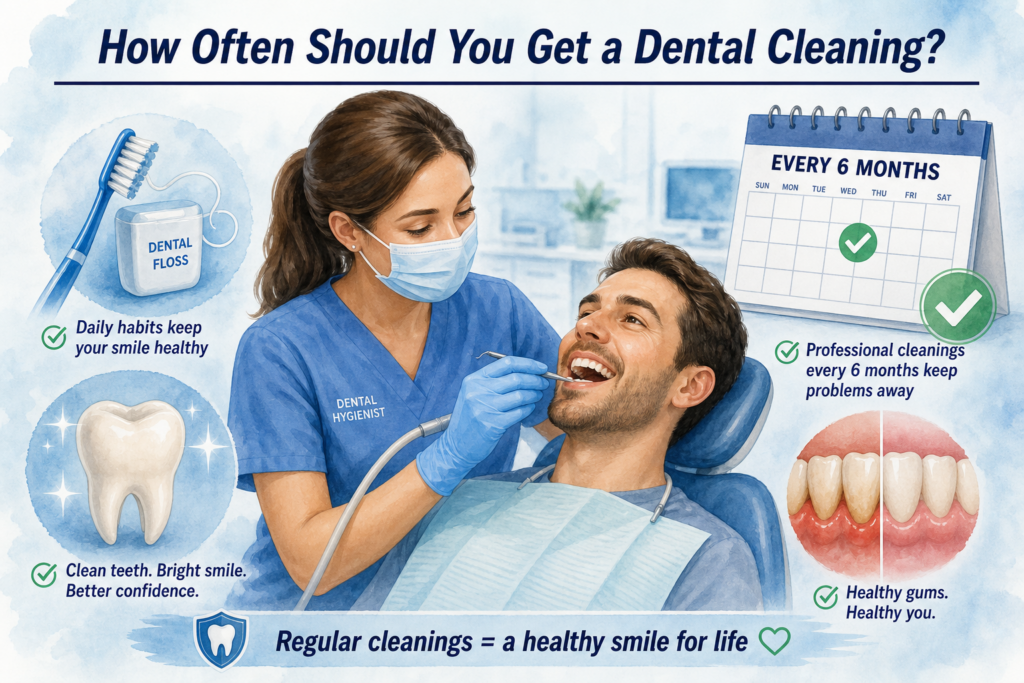
For many patients, every six months is a common guideline. However, that is not the only schedule. Some people do well with longer intervals, while others benefit from more frequent visits.
Your dentist may recommend more frequent cleanings if you:
- Build tartar quickly
- Have gingivitis or periodontal disease
- Smoke or vape
- Have braces or appliances that make cleaning harder
- Are prone to cavities
- Have certain medical conditions that affect oral health
The right schedule should be based on what your mouth needs, not just a one-size-fits-all rule.
What Happens During a Dental Cleaning?
A professional cleaning usually begins with an examination of your teeth and gums. Depending on your needs and timing, your visit may also include X-rays and a checkup from the dentist.
During the hygiene portion of the appointment, your dental professional will typically:
- Remove plaque and tartar buildup
- Clean around the gumline and between teeth
- Polish the teeth to help remove surface stains
- Review any areas that need better home care attention
If your gums are inflamed or you have deeper buildup below the gumline, your treatment needs may be different from a standard maintenance cleaning.
Will a Cleaning Hurt?
Most routine cleanings are very manageable, though some patients notice mild sensitivity, especially if it has been a long time since their last visit or if their gums are already irritated. Letting your dental team know about sensitivity in advance helps them make the appointment more comfortable.
If you feel nervous about dental visits, that is worth mentioning too. Sometimes anxiety is more of a barrier than the treatment itself.
Cleanings and Gum Health Go Hand in Hand
One of the biggest reasons to keep up with hygiene visits is gum health. Bleeding gums are often one of the earliest warning signs that something needs attention. Left alone, mild inflammation can progress into more serious gum disease.
Affinity Dental has already covered topics like the stages of gum disease and whether gum disease can be reversed. Routine cleanings are one of the simplest ways to stay ahead of those issues.
What If You Have Not Had a Cleaning in a Long Time?
A lot of patients worry they will be judged if they are overdue. The truth is that dentists and hygienists see this all the time. The important thing is getting back on track. Waiting longer usually makes things harder, not easier.
If it has been several years, your first visit back may involve a more detailed assessment so your team can determine whether you need a standard cleaning or a different type of periodontal care.
Can Cleanings Help You Save Money Long Term?
Yes. Preventive care is usually far less costly than treating advanced problems later. A regular cleaning and exam can help catch small cavities, worn restorations, or gum issues early. That can reduce the chance of needing more complex treatments such as fillings, root canals, or extractions down the road.
When To Book Your Next Cleaning
If your teeth feel fine, that does not necessarily mean everything is perfect below the surface. Plaque, tartar, and early gum inflammation can develop quietly. A cleaning is not just about how your teeth look. It is about protecting your oral health over time.
If you are due for a checkup, Affinity Dental provides maintenance and dental cleaning services in Winnipeg for patients of all ages. Contact our team to book your next visit and keep your smile on track.
Due for a Dental Cleaning?
Affinity Dental can help you stay on top of preventive care with professional cleanings, exams, and personalized maintenance guidance.
Book Maintenance and Dental Cleaning Care
FAQs
How often should I get a dental cleaning?
That depends on your oral health history, but many patients need regular preventive visits to stay ahead of buildup.
What happens during a dental cleaning?
A cleaning usually includes plaque and tartar removal, polishing, and a check of your current oral health.
Are cleanings still important if I brush well?
Yes. Professional cleanings help remove hardened buildup and support early problem detection.